
Popular Equipment For Concrete Floor Refinishings To Achieve Professional Quality
Equip yourself with trusted tools and products that help you deliver a smooth, durable, and visually appealing concrete surface.
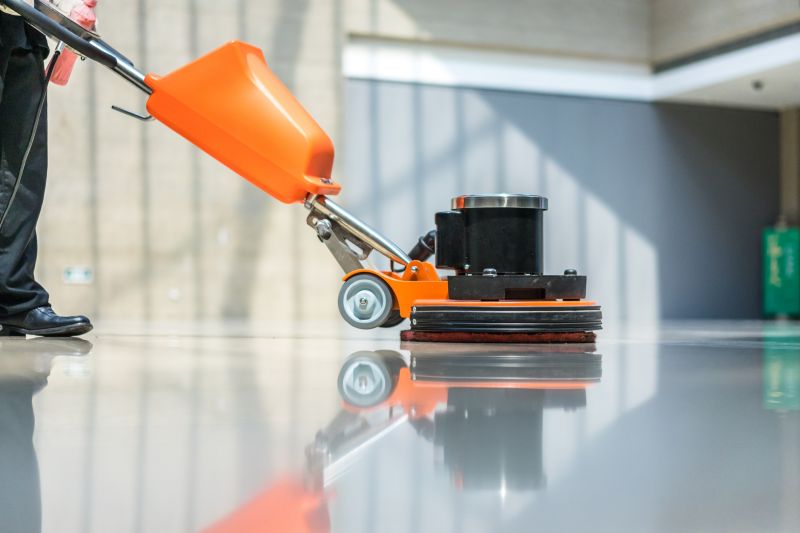 Refinishing concrete floors can transform dull, stained, or damaged surfaces into durable and visually appealing areas suitable for a variety of settings, from residential garages to commercial warehouses. The process often involves cleaning, repairing imperfections, and applying specialized products to restore or enhance the surface. A wide range of products are available to facilitate this process, including sealers, coatings, primers, overlays, and repair compounds, each designed to address specific needs and surface conditions.
Top Overall Option
Multi-Purpose Concrete Floor Coating
A versatile coating designed to provide a durable, protective, and attractive finish for various concrete surfaces. It offers ease of application and compatibility with different primers and overlays, making it suitable for both DIY enthusiasts and professionals. This product can help enhance the appearance and longevity of concrete floors in different environments.
Types of Products For Concrete Floor Refinishings
Epoxy Coatings
Epoxy coatings create a hard, glossy finish that resists stains and abrasions, ideal for high-traffic areas.
Polyurethane Sealers
Polyurethane sealers provide a clear, durable protective layer with excellent chemical resistance.
Acrylic Sealers
Acrylic sealers offer a fast-drying, UV-resistant option for enhancing appearance and protecting concrete surfaces.
Concrete Overlays
Overlays are thin layers of cement-based or polymer-based materials used to cover imperfections or add decorative textures.
Concrete Repair Patches
Repair patches fill cracks, holes, and surface damage to restore structural integrity before finishing.
Stains and Dyes
Stains and dyes add color and visual interest, allowing for customized decorative effects.
Self-Leveling Compounds
Self-leveling compounds create smooth, flat surfaces on uneven concrete floors for subsequent finishing.
Acid Etching Solutions
Acid etching prepares concrete surfaces by creating a textured profile to improve adhesion of coatings.
Polyaspartic Coatings
Polyaspartic coatings cure quickly and provide a high-performance protective layer with UV stability.
Decorative Flakes and Chips
These add textured, decorative elements to coatings for enhanced visual appeal and slip resistance.
Concrete Degreasers and Cleaners
Specialized cleaning products remove stains, grease, and dirt to prepare the surface for refinishing.
Sealant Sprays
Sprayable sealants offer quick application for surface protection and gloss enhancement.
Anti-Slip Additives
Additives improve traction and safety on polished or coated concrete surfaces.
Primer Products
Primers improve adhesion of coatings and sealers to the concrete surface, ensuring better durability.
Vapor Barriers
Vapor barriers prevent moisture transmission from beneath the concrete, protecting coatings from delamination.
Popular Choices
Complete epoxy kits are widely used for their ease of application and durable finish.
Clear sealers protect the surface while maintaining the natural look of concrete.
Dyes are popular for adding vibrant color and creating decorative effects on concrete floors.
Used to create smooth surfaces, these are commonly chosen for preparing floors for finishing.
Specialized coatings designed for garages to withstand vehicle traffic and chemical spills.
Heavy-duty sealers suited for warehouses and factories with demanding use conditions.
Epoxy systems with decorative flakes or metallic finishes are trending for aesthetic upgrades.
Popular for quick repair of cracks and surface damage before finishing.
Coatings that resist UV damage are frequently used for outdoor concrete surfaces.
Designed to reduce slipperiness, these are favored in commercial and industrial settings.
Sealants that protect against chemical spills are commonly sought for industrial floors.
Stains that provide a semi-transparent color overlay, enhancing aesthetic appeal.
Products that cure rapidly are popular for projects requiring quick turnaround.
Sealers that inhibit microbial growth are increasingly used in healthcare and food processing facilities.
Choosing the right products for concrete floor refinishing depends on factors such as the existing condition of the floor, desired finish, and intended use of the space. For instance, high-traffic areas may require heavy-duty sealers with abrasion resistance, while decorative finishes might involve overlays or staining products. Proper preparation and application are crucial to achieving satisfactory results, and selecting compatible products ensures longevity and performance.
In addition to functional considerations, aesthetic options like decorative overlays, dyes, and epoxy coatings allow for customization of the concrete surface. These products can add color, texture, and shine, creating a more attractive and personalized space. Maintenance products such as cleaners and touch-up kits also play a vital role in preserving the appearance and integrity of the refinished floor over time.
Investing in quality products and understanding their specific applications can help achieve a durable and visually appealing concrete floor. Whether you are undertaking a small repair or a complete overhaul, the right selection of coatings, sealers, and repair materials can make a significant difference in the final outcome and longevity of the refinished surface.
Key Buying Considerations
- Assess the current condition of the concrete surface, including cracks, stains, and damage.
- Determine the intended use of the space to select appropriate durability and slip resistance levels.
- Choose products compatible with existing coatings or repairs already applied to the surface.
- Consider the environmental conditions, such as exposure to moisture, chemicals, or UV light.
- Evaluate the drying and curing times to fit your project schedule.
- Identify whether the desired finish is matte, satin, or glossy for aesthetic preferences.
- Review the product's ease of application, especially if DIY application is planned.
- Check for compatibility between primers, sealers, and topcoats to ensure proper adhesion.
- Prioritize products with clear instructions and safety guidelines for handling and application.
- Consider long-term maintenance requirements and availability of touch-up or repair products.
- Determine if additional surface preparation like etching or grinding is necessary before application.
- Review product reviews and ratings for insights into user experiences and performance.
- Set a budget that balances quality and cost, understanding that higher-quality products may offer better longevity.
- Verify if the product is suitable for indoor or outdoor use, depending on your project location.
- Ensure proper ventilation during application, especially for solvent-based products.
This content contains affiliate links. We may earn a commission if you make a purchase through these links, at no additional cost to you.